You can spot overdone Botox from across a room. Brows frozen in a startled arch. Smiles that never quite reach the eyes. A forehead so flat it reflects light. Most people fear that look, and rightly so. Done well, Botox softens motion without erasing expression. The result should be a fresher version of your face, not a different one. If you are considering your first Botox treatment, this guide will help you navigate the botox procedure with clear expectations, smarter choices, and a plan for natural results that last.
What Botox Actually Does, and What It Cannot Do
Botox is a purified protein that temporarily relaxes muscles by blocking acetylcholine at the neuromuscular junction. In plain terms, it weakens specific muscles that repeatedly crease the skin, like the ones that form glabellar lines, also called 11 lines, between the brows, or horizontal forehead lines. By softening that pull, you reduce the motion that etches wrinkles, and the skin looks smoother. This is the essence of botox for wrinkles and botox for fine lines, especially in the upper face.
Botox does not fill volume or replace lost fat or collagen. Deep folds from gravity and skin laxity, such as pronounced smile lines, usually need fillers, energy devices, or collagen-stimulating treatments. Understanding botox vs fillers helps clarify realistic outcomes. Think movement lines for Botox, volume and structure for fillers.
You will also hear about different types of botox products: onabotulinumtoxinA (Botox), abobotulinumtoxinA (Dysport), incobotulinumtoxinA (Xeomin), and prabotulinumtoxinA-xvfs (Jeuveau). They all relax muscle in a similar way, but they spread and onset differently. Providers may prefer one based on area, muscle bulk, and personal experience. There is no universal best, only what fits your anatomy and goals.
The First-Timer Mindset: Subtle Wins, Speed Loses
The biggest driver of an overdone look is impatience. First-timers often want to see dramatic botox before and after photos and assume that more units equal better botox results. The opposite is often true. Natural results come from carefully placed, conservative dosing and measured adjustments. Your face is a dynamic system. If you shut down a muscle entirely, its opposing muscle may overact and shift your expression in ways you did not expect, such as heavy eyelids or a peaked brow.
I tell patients to think about the first session as a mapmaking exercise. You and your botox provider learn how your muscles respond. Then a small botox touch up can fine-tune balance. By the second session, you will have a custom plan. That approach prevents the stiff, overtreated look and builds confidence.
Where First-Timers Start: The Upper Face
The classic areas for first time botox are the glabella (11 lines), forehead lines, and crow’s feet around the eyes. These respond predictably, and tweaking these can change how rested you look, not how different you look.
The glabella is the workhorse. Soften those frown lines and your resting expression appears more open. Crow’s feet improve best when you smile, not at rest, and should still allow a smile to bunch lightly at the corners. Forehead lines are tricky because the forehead muscle also lifts the brows. If you weaken it too much, your brows drop. That is where experience matters.
For nuanced improvements, your provider may suggest a subtle botox brow lift by relaxing the muscles that pull the brows down, rather than the ones that hold them up. It requires restraint and a careful eye for symmetry.
How Many Units is “Natural”?
It depends on muscle size, strength, sex, and goals. Men often need more units than women because of bulkier frontalis and corrugators. People who lift their brows constantly may also require more. A small-boned person with light movement might need half the dose of a heavy-browed frowner.
There is a simple principle: dose to soften, not paralyze. That often means starting on the lower side of common ranges, then adjusting upward if needed at a two-week check. Ask your botox specialist about likely units and explain your tolerance for movement. If you sing, act, or speak on stage, mention that. If you wear heavy lids or have a history of brow droop, say so. Minute anatomical details matter.
Baby Botox and Preventative Botox: When Less Is More
Baby botox uses smaller doses spread strategically to reduce motion while preserving full expression. It is ideal for the cautious or those who want no downtime and no comments from coworkers. Preventative botox works best on younger patients, often late 20s to early 30s, who see lines forming when they animate but not etched at rest. Light dosing at longer intervals can delay deeper creasing. It does not freeze time, but it can slow the need for more aggressive corrections later.
How Long Does Botox Last, and When Does It Start Working?
Most people notice something at day 3 to 5, with peak effect at day 10 to 14. Longevity varies by area and person, from as short as 8 weeks to as long as 4 months, sometimes a bit more in smaller muscles like the crow’s feet. Chewing muscles such as the masseter need higher doses and often metabolize faster at first. If you are lean, athletic, or have a fast metabolism, you might move through botox faster.
How often to get botox depends on your tolerance for movement returning. Every 3 to 4 months is common for maintenance. Some people stretch to 5 or 6 months once they have established muscle conditioning, especially with preventative botox.
Setting Up for Success: Consultation and Assessment
A focused botox consultation should include your medical history, allergies, prior treatments, and your precise goals. Bring photos of yourself when well-rested and when you feel you look most like you. Also bring a photo where you dislike your expression. This gives your botox doctor or nurse injector a sense of your baseline and your preferences.
Expect your provider to ask you to make expressions: frown, raise brows, squint, smile. They will palpate and map muscle movement. Watch for attention to asymmetry, brow position, lid position, and skin quality. A good botox expert will explain trade-offs, not promise a perfect forehead. If a clinic pushes high-dose packages without a facial assessment or promises instant erasure, pause and get a second opinion.
The Most Common Mistakes That Lead to an Overdone Look
Overshooting the forehead is number one. The frontalis muscle lifts the brow. If it is fully relaxed while the muscles that pull the brow down remain active, the brows can drop and make the eyes look heavy. Stiffness is not the only risk. A mismatched balance can create odd peaks or the “Spock brow,” where the tail of the brow shoots up. That is fixable with a small touch-up, but it is better to avoid through accurate dosing.
Number two, too much in the crow’s feet can pull the smile outward awkwardly, especially in patients with thin faces. Better to soften those lines and allow a natural crinkle.
Number three, treating small, specialized areas without a true need. The botox lip flip, for example, relaxes the muscle that tucks your top lip inward, so the lip shows more at rest. When done aggressively, it can affect speech and drinking from a straw. Used lightly, it is charming. The same applies to botox for gummy smile or bunny lines on the nose. Good indication, gentle hand.
Special Areas: Masseter, Chin, Neck, and Beyond
Botox for masseter reduction can slim the jawline or help with TMJ-related clenching. It uses higher doses and often takes two to three sessions to see a contour change. If you chew a lot of gum or grind at night, it is a strong option. Expect chewing fatigue for a week or two after first treatment, which usually eases. Applied correctly, this can also soften tension headaches.
Chin dimpling responds well if caused by an overactive mentalis. Neck bands, called platysmal bands, can be softened, subtly improving jawline definition. However, widespread neck treatment carries more risk and should be reserved for experienced injectors. Under-eye treatment is delicate and not suitable for everyone. It should be conservative in patients with thinner skin or festoons, otherwise it can cause crepiness or smile irregularity. In advanced cases, lasers or skin tightening may be a better plan.
What You Should Expect on the Day
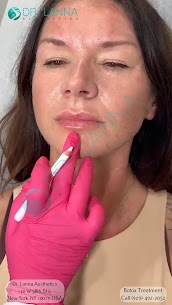
A typical botox procedure takes 10 to 20 minutes. The skin is cleansed, sometimes with alcohol or chlorhexidine. Many providers mark injection points. A fine needle delivers small amounts into specific muscles. Discomfort is quick and sharp rather than deep. Does botox hurt? Most describe it as a series of pinches. Ice, vibration devices, or numbing cream can help, though numbing is rarely necessary for upper-face areas. You can usually return to work right after.
Botox swelling is usually minimal, with small raised bumps at injection sites that settle within 30 minutes. Bruising can occur, especially if you take supplements like fish oil, ginkgo, or medications like aspirin and some anti-inflammatories. Good injectors are honest about this. If you have an event, do your treatment at least two weeks ahead.
Aftercare That Matters
Your provider will share specific guidance. The essentials `botox` `New York` are simple and help you avoid diffusion into unintended muscles:
- Stay upright for four hours after treatment, and avoid pressing or rubbing the injected areas. Skip intense exercise, saunas, and facials the same day. Delay hats or headbands that press on the forehead for 24 hours if you had forehead injections. If you see small bruises, you can use concealer the next day. Return for evaluation at two weeks if offered, particularly after first time botox, so your provider can adjust lightly if needed.
These steps fit into routines easily and protect your investment.
Safety, Risks, and Realistic Side Effects
Is botox safe? When administered by trained professionals using FDA-approved products, the safety profile is well established. Short-lived botox side effects can include headache, tenderness, swelling, and small bruises. Rare but important complications include eyelid ptosis if product diffuses into the levator muscle, which can be mitigated by technique and aftercare. Most issues resolve as the product wears off.
Long term effects of botox are often misunderstood. There is no evidence that standard cosmetic dosing causes systemic issues in healthy individuals. Muscles can decondition with frequent high dosing, leading to temporary thinning, but that reverses with time. On the positive side, many patients notice fewer migraines with glabellar treatment, and botox for migraine is an established therapy in medical settings at different dosing patterns. Botox for excessive sweating, called hyperhidrosis, under the arms or on the palms, can be transformative for comfort and confidence.
Natural-Looking Strategy: Anatomy First, Dose Second
Achieving botox natural results means respecting the way your face moves. We read emotion from micro-movements around the eyes and brows. Preserving that communication is a core goal. Experienced injectors map treatment to expression lines rather than to “zones.” The best work looks ordinary in the mirror, then noticeably better in photographs and under harsh lighting.
If your provider offers botox packages, use them as a framework, not a mandate. You might not need every area. On the flip side, you may need a few extra units where your muscle is stronger. Customization beats one-size-fits-all botox deals.
Cost, Promotions, and the Real Price of a Good Result
Botox cost varies by region, provider experience, and product. Some charge per unit with a botox unit cost that can range broadly, while others charge per area. Familiarize yourself with local pricing, but value training, reputation, and careful assessment over the lowest botox price.
Botox specials and botox offers can be reasonable if they come from established clinics using authentic products. If a botox promotion seems too cheap compared to the local average, ask questions. Authenticity, proper dilution, and safe technique justify cost. When comparing botox near me searches, prioritize a botox provider who shows work similar to your aesthetic, not just a deal of the day. Transparent consent, a methodical approach, and the option for a two-week check are worth more than a temporary discount.
A Tale of Two Foreheads: A Practical Anecdote
Two first-time patients come in during the same week. Both want fewer lines for upcoming events. Patient A has a strong frown, moderate forehead lines, and low-set brows. Patient B has high brows, fine lines, and a habit of lifting her forehead to widen her eyes when speaking.
For Patient A, the plan focuses on glabella first, with a conservative forehead dose to preserve lift. Brow depressors near the tail are addressed lightly, almost a micro botox brow lift. She keeps her openness and loses the scowl. At review, a subtle touch equalizes a slight brow asymmetry.
Patient B gets a featherlight forehead plan and a bit around the crow’s feet, since that is where the overactivity lives. At her review, she still has full expression but the lines no longer stamp across her forehead when she talks. Both patients look like themselves under bright lighting. That is the entire point.
Lesser-Known Uses and When to Consider Them
Botox for jawline contouring via the masseters has been trending for years in both women and men. When done in a measured way, it can refine face shape and reduce jaw tension. Botox for chin pebbled texture works well if it is caused by mentalis overaction. Bunny lines on the nose can be softened with tiny doses, helpful for people who scrunch their nose when they laugh. For a gummy smile, tiny injections can relax the lift of the upper lip so less gum shows. Each of these areas requires restraint. More is not better. For under eyes, be cautious. In many cases, skin treatments such as lasers, microneedling with growth factors, or a touch of filler in the tear trough (if indicated) may do more than botox for under eyes.
Botox for hyperhidrosis in the underarms or scalp helps seasonal sweaters, presenters, and athletes. Results can last 4 to 6 months or longer, and the relief is immediate in daily life. For migraine sufferers, medical-grade protocols treat specific head and neck points every 12 weeks. If headaches are a priority, discuss whether your cosmetic plan could synergize with your neurologist’s regimen.
What Happens After Botox: The Early Days and the Sweet Spot
Do not judge your botox results on day one. Early impressions can change as the product sets and muscle groups rebalance. By day two to three, you might sense less movement. By day seven, lines are visibly softer, and by day ten to fourteen, you are at peak effect. The sweet spot is often weeks two through eight, depending on area and your metabolism. Plan weddings, headshots, or reunions around that window.
If you feel heavy on the brows at day five, tell your provider. Sometimes a micro-dose in a specific spot can lift subtly. If you see mild asymmetry, do not panic. Human faces are not mirror images, and minute differences in muscle pull reveal themselves after treatment. That is why the two-week check matters for first-timers.
Myths, Facts, and What the Reviews Cannot Tell You
Online botox reviews often focus on price or friendliness, not technique. Technique hides in your face for months, not in a waiting room selfie. A good rule of thumb: choose someone who can explain why they are injecting a point, not just where. Ask about anticipated duration and what a touch-up might look like.
Common myths deserve quick corrections. Myth: Botox stretches skin. It does not. With reduced movement, skin often looks better over time. Myth: You cannot stop once you start. You can. Lines may gradually return as movement returns. Myth: It works the same for everyone. Not true. Anatomy, habits, and goals shape results. Myth: The more you do, the younger you look. Past a certain point, more makes you look odd, not young.
Finding the Right Provider and Building a Plan
Credentials matter, but so do eyes and hands. A botox nurse injector, a dermatologist, or a facial plastic surgeon can all be excellent if they work frequently with neuromodulators and prioritize natural results. When you meet, pay attention to how they study your face while you talk and emote. Do they adjust their plan when they see your brow habit mid-sentence? Do they warn you about specific risks related to your anatomy?
Your plan should include the intended units, the areas, expected onset and duration, botox aftercare, and a check-in. If budget is tight, do fewer areas well rather than spreading thin. If you are curious about alternatives, ask. For dynamic lines, neuromodulators shine. For static folds, resurfacing or fillers may be better. If you tend to swell or bruise easily, you might schedule the botox procedure on a Friday to have the weekend to recover, even though most people go straight back to life.
A Simple First-Timer Checklist
- Define your goal in a sentence: soften, not freeze, or lift, not flatten. Choose a provider who maps your expressions and explains trade-offs. Start conservative, plan a two-week adjustment, then build your routine. Time treatment at least two weeks before important events. Follow aftercare faithfully on day one to protect placement.
This approach keeps the look refined, not robotic.
Timeline and Maintenance
Early sessions are about finding your dose and pattern. Once dialed in, botox maintenance becomes simple. You might treat glabella and crow’s feet every 3 to 4 months and the forehead every other visit if you prefer more movement. You may aim for botox treatments in NYC seasonal rhythm: lighter in summer, a little more coverage in winter when indoor lighting is harsh. For masseter work, expect two to three visits before the contour change holds longer. Your provider might also suggest spacing to reduce over-weakening.
If you are exploring botox alternatives, devices like radiofrequency microneedling, fractional lasers, or ultrasound-based tightening improve skin quality and firmness in ways botox cannot. Many patients use a mix: neuromodulators for motion lines, skincare and devices for texture and laxity, fillers for volume. This layered approach ages better than chasing lines alone.
What If It Goes Wrong?
Even with careful technique, surprises happen. A mild brow asymmetry or a slight tether can usually be addressed with a few units. Eyelid droop is rare but unnerving. In most cases, eye drops that stimulate Muller’s muscle can help lift the lid slightly until the effect fades. Work with your provider promptly, and be honest about your symptoms. The good news is that neuromodulator effects are temporary. The lesson from a misstep will improve your next map.
If you have an outcome you dislike elsewhere, do not rush to load in more units to counteract everything. Sometimes restraint and patience, then a targeted tweak when safe, yield a better recovery than chasing every ripple.
The Quiet Art of Looking Like Yourself
Natural Botox is not an accident. It is the product of good consultation, anatomy-aware placement, conservative dosing, and thoughtful follow-up. It respects the interplay between botox benefits and botox risks, weighs the reality of botox downtime and botox recovery, and treats you like an individual, not a template.
If you are embarking on your first botox treatment, take a measured path. Expect subtle improvements first, then build. Protect placement with simple aftercare. Evaluate your botox results at the two-week mark and again at eight weeks when you have lived with the changes in different lights and moods. Ask questions, and keep your goals grounded in how you want to feel when you see your reflection.
Done right, friends notice you look well-rested, not “done.” Your expressions still tell your story. Your before and after photos show the same person across seasons, just a touch less tired and a step more confident. That is the mark of a skilled botox provider, and the standard you deserve.